
Carson’s Decision to Speak
Silent SpringThis flow traces how a private warning becomes Rachel Carson’s public argument for ecological responsibility.
increasing Bearing strength in each event
 decreasing
Bearing strength in each eventdecreasingHuckins’s Letter

A Warning Arrives
The Spark
Olga Owens Huckins described a small world made lifeless by spraying. Her letter redirected Rachel Carson toward a danger she had long considered but had not yet made the center of a book.
A Choice Takes Shape
The account made pesticide use personal and immediate. Carson recognized that scattered observations could form a larger public story about consequences hidden beyond the treated field.
The Magazine Refusals
A Blocked Warning
Editorial Resistance
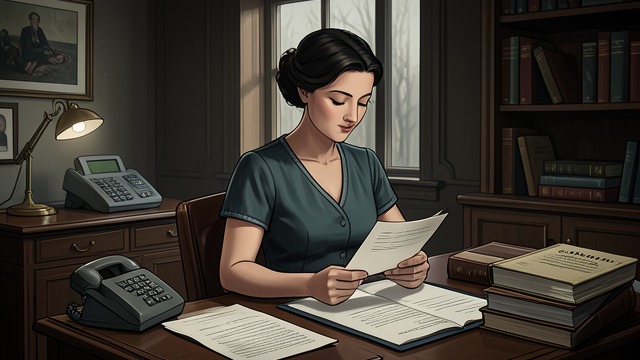
Carson first hoped to address the issue in magazine form, but publishers feared losing advertising. Her reputation as a successful writer did not protect the subject from commercial pressure.
The Book as an Alternative
The New Yorker was an exception, but the broader refusals narrowed her options. A book offered a way to present the evidence without relying on the same advertising economy that had rejected it.
Research Under Strain

Evidence and Endurance
A Different Kind of Work
Carson’s earlier writing had drawn on the pleasures of marine science. This project instead demanded extensive research into pesticides, their residues, and the relations linking organisms and environments.
Personal Cost
She worked through a catalogue of illnesses and delays. The subject’s urgency sustained a task that was less a celebration of discovery than a sustained effort to make danger legible.
The Published Warning
A Public Argument
From Manuscript to Book
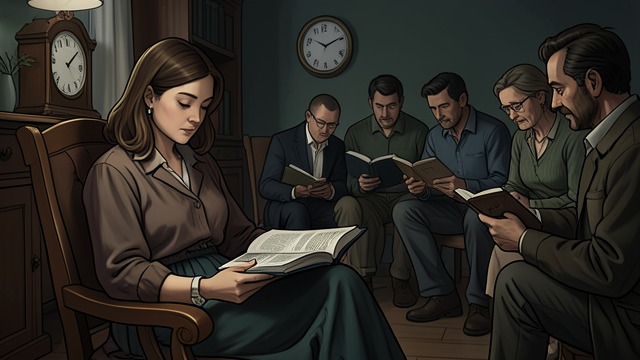
Silent Spring gathered case studies into a connected account of chemical contamination. Its chapters moved from poisoned habitats and food chains to possible consequences for human health.
A Wider Audience
The book asked readers to examine claims of safety rather than accept them on trust. Its central intervention was not simply alarm; it was the insistence that the public needed facts before bearing risks imposed on it.
A Changed Public Debate
The Warning Travels
Official Scrutiny
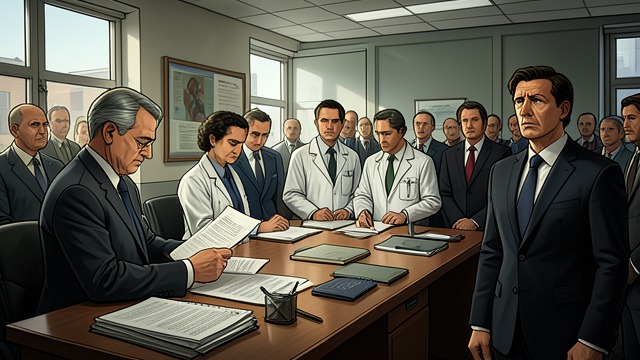
The book helped prompt a pesticide review by President's Science Advisory Committee. The committee’s report, as described in the foreword, supported Carson’s central concerns.
A Lasting Shift
Silent Spring made environmental questions newly prominent and helped turn ecological thinking into a public cause. Carson’s intervention showed how research and individual courage could redirect debate without recourse to violence.
January 1958
After 1958, before the book’s completion
During the four years of composition
1962
After publication, during the early 1960s
